
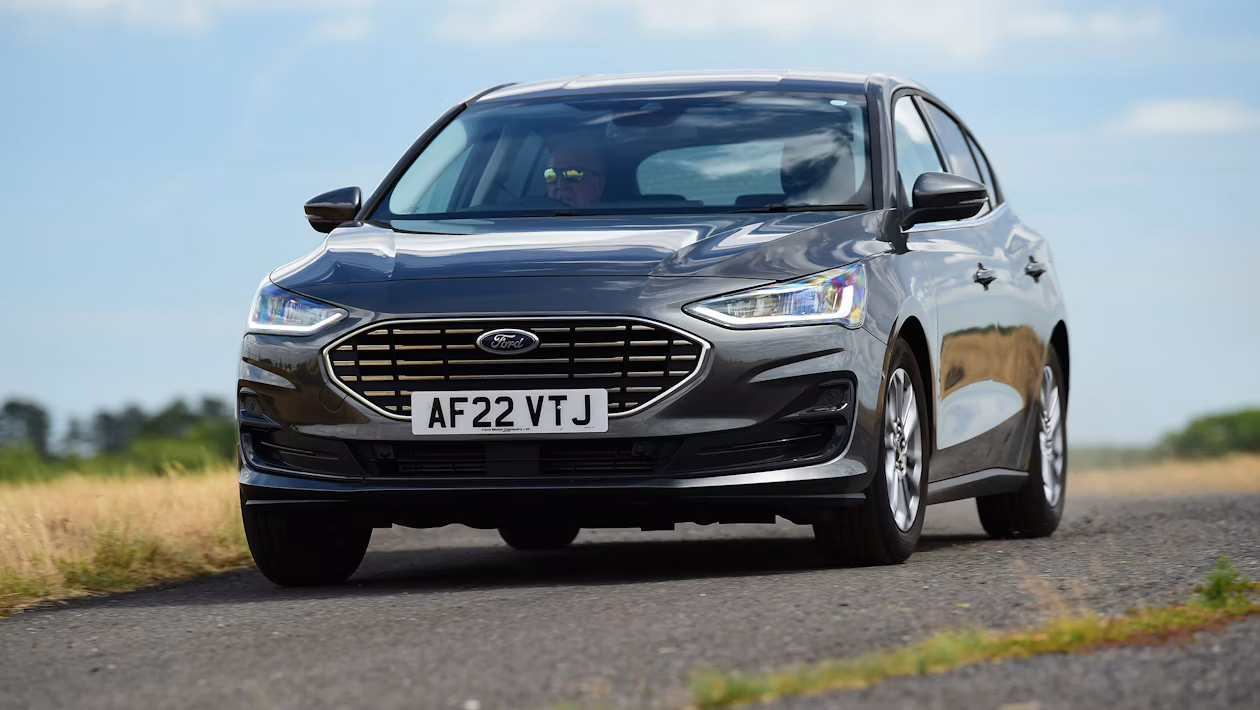
On November 17, 2025, Ford officially discontinued the Focus – a model that had become a symbol of mass-market automotive manufacturing in recent decades. The final two cars rolled off the assembly line destined for different paths: one to a museum, and the other to a company employee who won a charity raffle.
Today, we offer to look back at the Ford Focus’s 27-year run, why Ford ended production, and what the model’s exit means for everyday drivers, especially in Florida, where used compacts remain a smart, budget-friendly choice.
From European Star to Global Icon
The automotive giant introduced the Focus in 1998 to replace the aging Escort. The impact was almost immediate: the new compact model was named “European Car of the Year 1999” and restored sales growth for Ford across the continent.
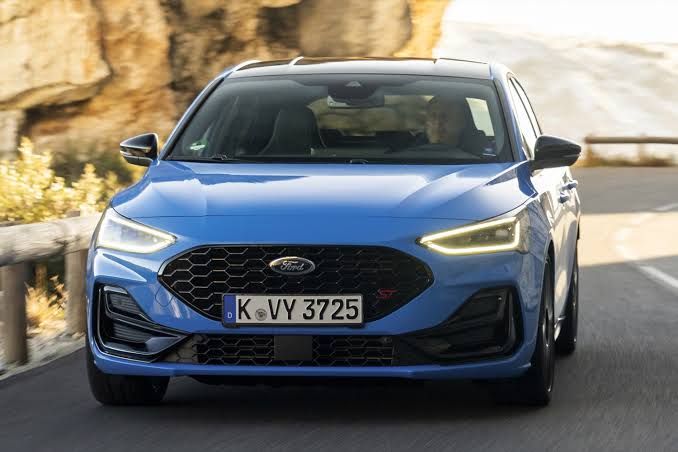
Over the nearly three decades that followed, the Focus spanned four generations and adopted various body styles, even appearing as a convertible. High-performance versions became a particular source of pride. The Focus ST, and especially the RS, won the hearts of speed enthusiasts; the latter helped Ford secure the Constructors’ Championship in the World Rally Championship twice in a row (2006–2007). Over time, the model evolved into a powerful global brand, ranking as the world’s best-selling car in 2012 and 2013.
Advertising campaigns also positioned the Focus as a bestseller; commercials worldwide highlighted its global sales figures and practicality. They drilled a simple idea as straightforward as the car itself into consumers’ minds: “Millions of people can’t be wrong; make the right choice yourself.”
That’s why it is a shame to see the Focus go. Many feel the model left the stage too soon; it could have kept serving everyone from taxi drivers and hipsters to ordinary, cost-conscious families. Then again, it will keep serving them – among used Fords for sale, the Focus remains a hot commodity, especially for Florida buyers who value easy parking, solid fuel economy, and affordable ownership.
Tips for Focus owners
- Timely firmware updates: especially for versions with the SYNC multimedia system – updates are still available online.
- Anti-corrosion protection: later models often suffer from poor paintwork quality, so do not skimp on protective treatments.
- Monitor the suspension: the Focus is known for its responsive yet smooth handling, but this quality can easily be lost without regular inspections.
Why Ford Ended Focus Production
With the Focus gone, Ford’s lineup in the U.S. leans heavily on SUVs, trucks, and performance cars rather than traditional compacts. Models like the Escape, Edge, Explorer, and Bronco Sport cover the small-to-midsize SUV space, while the F-150, Maverick, and Super Duty handle work and daily hauling. For enthusiasts, the Mustang and Bronco keep the brand’s performance and off-road image alive, and Ford continues to expand its hybrid and electric options across several nameplates.
The standard compact car was no longer paying off; while Focus sales remained significant, further investment in its development was hardly justifiable. Jim Farley, the head of Ford, stripped the Focus of its iconic status, yielding to the environmental agenda, electric vehicle trends, and the push for a lower-carbon future.
At the same time, demand for traditional passenger cars persists. Ford chose not to hold onto that niche, instead pursuing innovation in hopes of capitalizing on future trends. The story of the Ford Focus mirrors consumer culture. In the 1990s and 2000s, a single successful model had the chance to become a national icon – and Ford managed to claim that spot.
Today, in an era of information overload and diverse interests, creating such a mass-appeal icon is far more difficult. Perhaps the logic of Ford’s marketers lies in this very realization: we aren’t producing a simple, universally understood model because the age of simple answers is over.