

Every racing driver knows about the apex, but the term is rarely used by ordinary drivers. Here, we break down what a corner apex is, the different types that exist, and, most importantly, how understanding racing lines helps with everyday driving.
What is a corner apex?
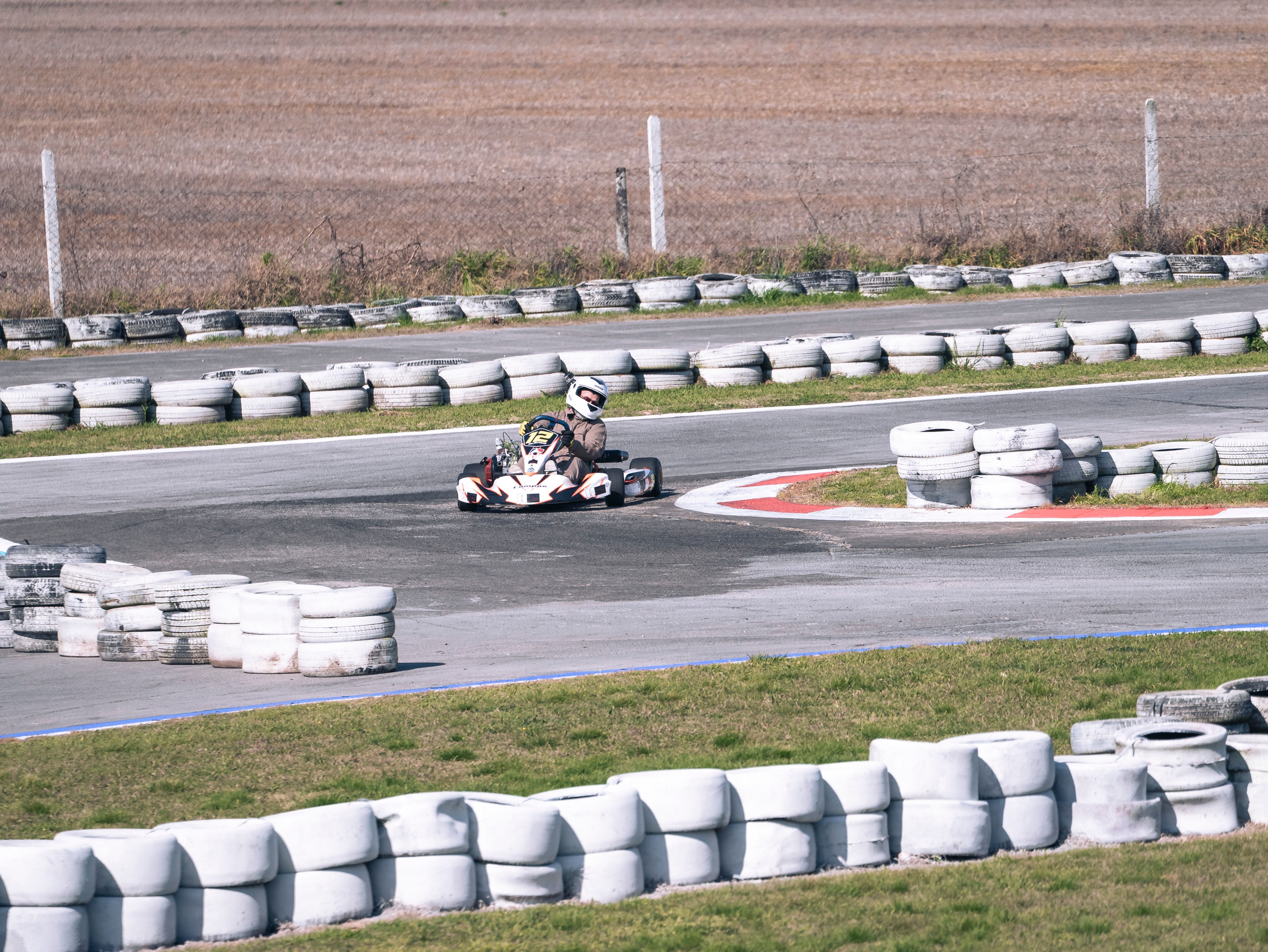
The term comes from Latin, meaning “peak” or “tip.” In motorsport, the apex refers to the point on the racing line where the car comes closest to the inside edge of the turn. In other words, the apex is the moment when the inner wheels are closest to the curbing, the shoulder, or the centerline. This is typically where the driver begins to straighten the steering wheel and press the accelerator. It’s a technique that gives every corner a purpose, and one you can feel for yourself if you buy a used sports car in Indiana and take it to a track for training.
There is another standard concept: the geometric apex. This is the point exactly halfway through the turn. However, in practice, a racer’s line almost never passes strictly through this point. Depending on the situation, the apex may be shifted closer to or further away from the turn’s geometric center.
Types of apexes
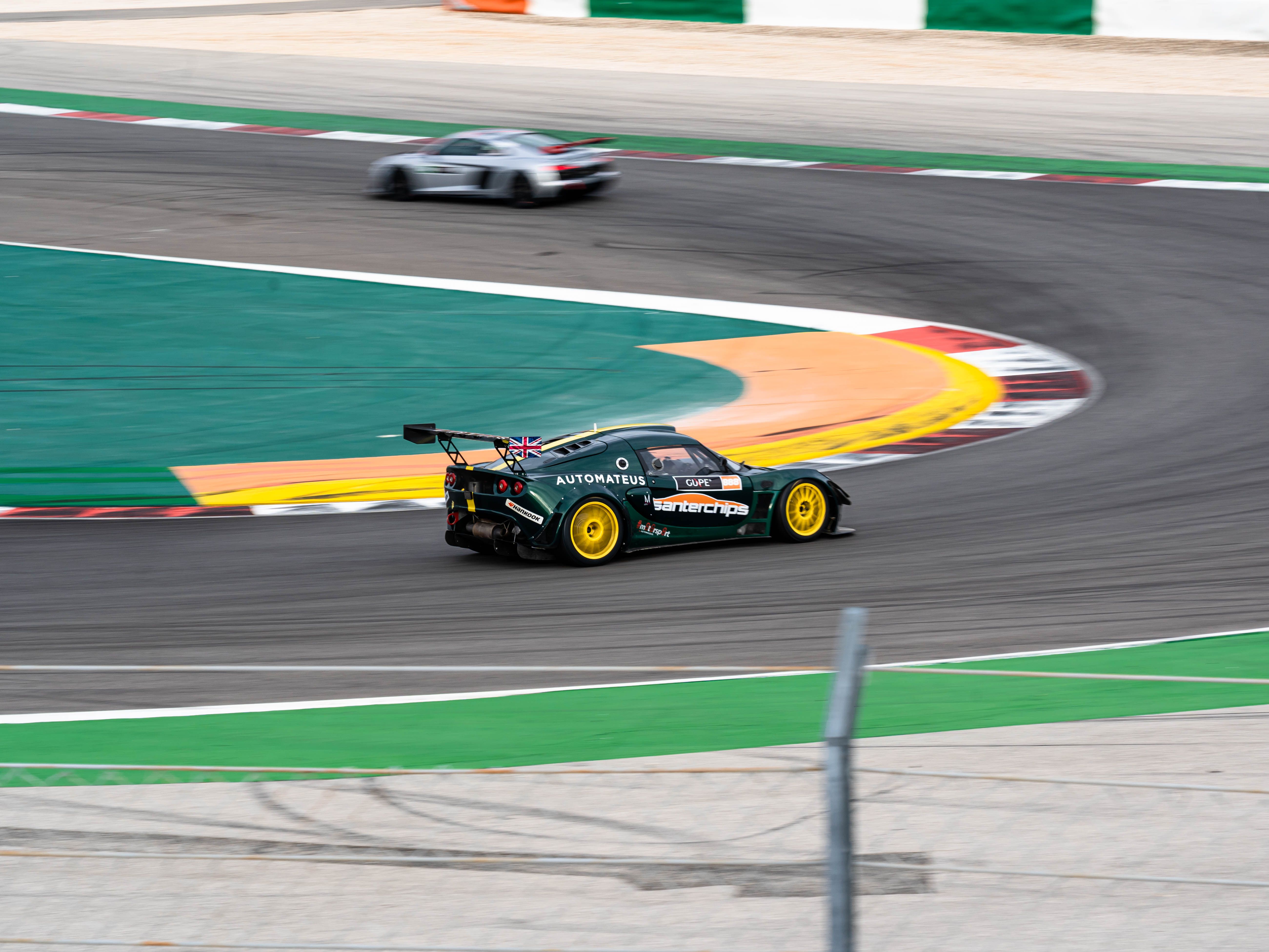
Professionals distinguish between three types of apexes: geometric, early, and late. The latter two are deliberate choices made by the driver, influencing how the entire corner is negotiated and the trajectory taken afterward.
An early apex is located before the geometric midpoint of the turn. By steering a sports car, such as a Chevy Corvette, this way, the driver cuts the arc, forcing the vehicle toward the inside of the turn before reaching its geometric peak. The advantages of this technique include entering the corner at a higher speed and shortening the arc itself. However, performing this maneuver at the limit results in a wide, slow exit: after an early apex, the driver must brake (otherwise the car won’t stay on the track) and keep the steering wheel turned longer, consequently delaying the application of the throttle.
This technique is often used defensively in racing: the attacking rival cannot take the optimal racing line and is forced to slow down or steer away.
A late apex, conversely, is shifted closer to the corner exit. The driver stays near the outer edge of the track longer, entering the turn on a wide arc, and then “dives” toward the inside closer to the end of the bend. This allows for earlier acceleration and a tighter, faster exit. However, keeping the car on the track during this maneuver requires heavier braking at the entry, meaning the speed at the apex itself is lower.
The late apex is considered the most effective approach in most (though not all) racing scenarios. The key rule generally followed is that exit speed is more important than entry speed.
However, the choice between an early and a late apex is never straightforward. It depends on the driver’s objectives, the sharpness of the turn, the track surface, the car’s handling characteristics, and even the weather. In a sequence of corners, a driver might utilize multiple apexes in succession. For instance, tactical nuances come into play in motorsport: when battling on the track, an attacking driver typically aims for a “late apex” to exit onto the straightaway faster and execute an overtake.
Conversely, the defending driver chooses an “early apex” to block the racing line, preventing the rival from passing during the turn. Sometimes, exit speed is deliberately sacrificed, for example, if the current turn is immediately followed by a tighter one where speed would have to be reduced anyway.
How the apex affects the racing line and cornering speed
The chosen apex dictates the entire strategy for navigating a corner or a sequence of turns: where to begin braking, how to steer, and when to get back on the throttle. An early apex results in a shallower line, whereas a late apex involves a sharper entry but a tighter, smoother, and ultimately faster exit.
On complex track layouts, drivers utilize multiple reference apexes to form what is known as an “apex line” (or apex trajectory). This is a series of points that ensures the fastest possible transit through that section of the track.
The benefits of apex control on ordinary roads

Why should an everyday Indianapolis driver, someone with no intention of hitting the racetrack, know all this? After all, fully utilizing these techniques on public roads is both prohibited and highly dangerous, as it involves excessive speeds.
Drivers must adjust their speed to stay within lane markings at all times and, crucially, remain ready to react to external factors like oncoming traffic. However, simply understanding the logic of cornering makes driving smoother and safer. Choosing the right apex improves control over the vehicle’s behavior through the curve and enhances stability. Specifically, it helps prevent wheel slip on challenging surfaces, allows for proactive measures to correct a skid or understeer, and helps determine the appropriate speed before entering a bend (provided the road ahead is visible).

The standard rule for city and highway driving is to use “late apex” principles for greater safety:
- Reduce speed before entering the turn, not while in the middle of it.
- Enter the curve using a wider line within your lane; this provides better visibility and more room to maneuver.
- Navigate the apex smoothly and begin returning the steering wheel to the neutral position earlier.
- Accelerate smoothly upon exiting (with the wheels straightened), utilizing the remaining width of the lane.
- The “slower in, faster out” approach helps avoid abrupt steering inputs, improves vehicle control through the curve, and reduces the risk of veering off the road or into oncoming traffic.
Ultimately, the most valuable takeaway from racing theory for everyday driving is the ability to “read” the road in advance and choose safe maneuvering strategies that anticipate the road ahead.